
The Build
Building on your lot
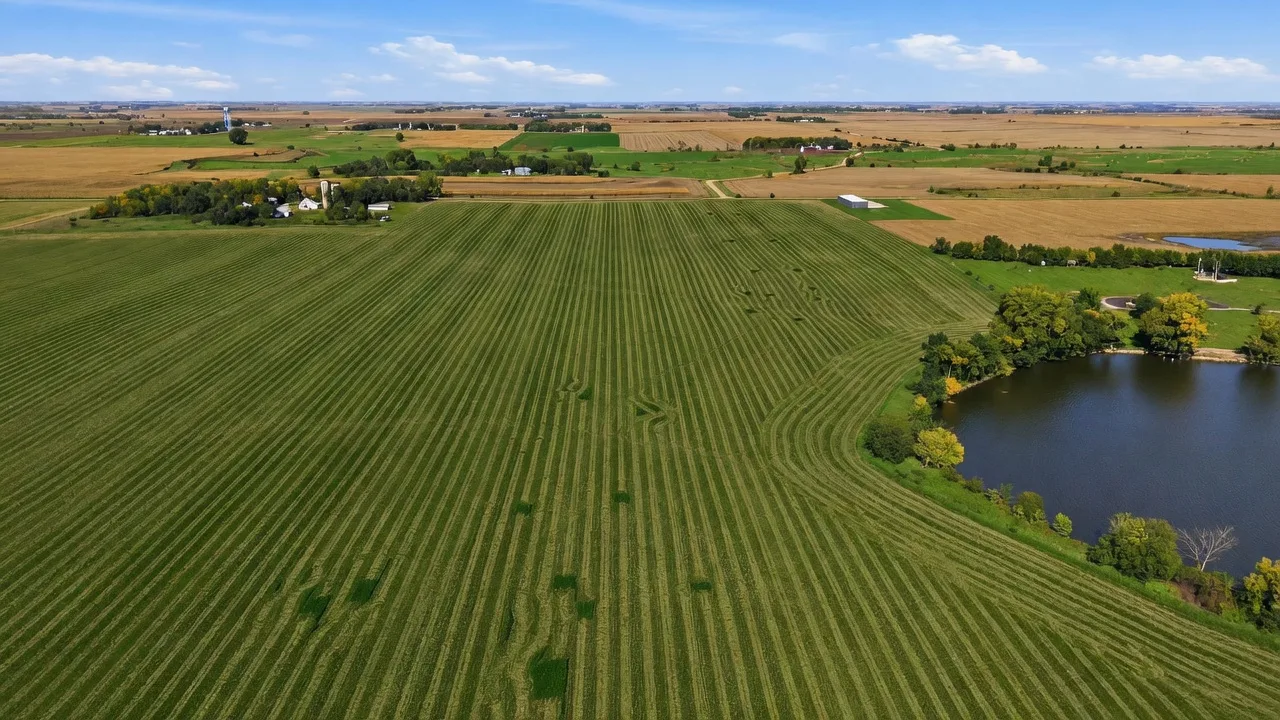
The lot at 3000 Bright Shores Pl is a blank canvas: vacant, mowed, and plotted, with no improvements on site. Building here means planning for rural utilities and a county approval process that are different from a subdivision lot. This page lays out what is already decided, what you will add, and the order of steps that get you from contract to groundbreaking.
On the Record
What is already decided
A lot of the homework is done before you buy. The parcel is surveyed, plotted, and recorded, and the listing states that one-building eligibility is conveyed with purchase. Start from these facts and the open questions shrink fast.
- Lot size
- 2.5024 acres (109,006 sq ft)
- Dimensions
- 200 x 4030 x 339 x 393 (survey)
- Parcel number
- 17100-09753-162-03
- Legal description
- Lot 3 in Tract 1, Bright Shores Addition
- Zoning
- Agricultural (AG) with architectural guidelines
- Building
- One-building eligibility conveyed with purchase
- Flood plain
- No
- Lot character
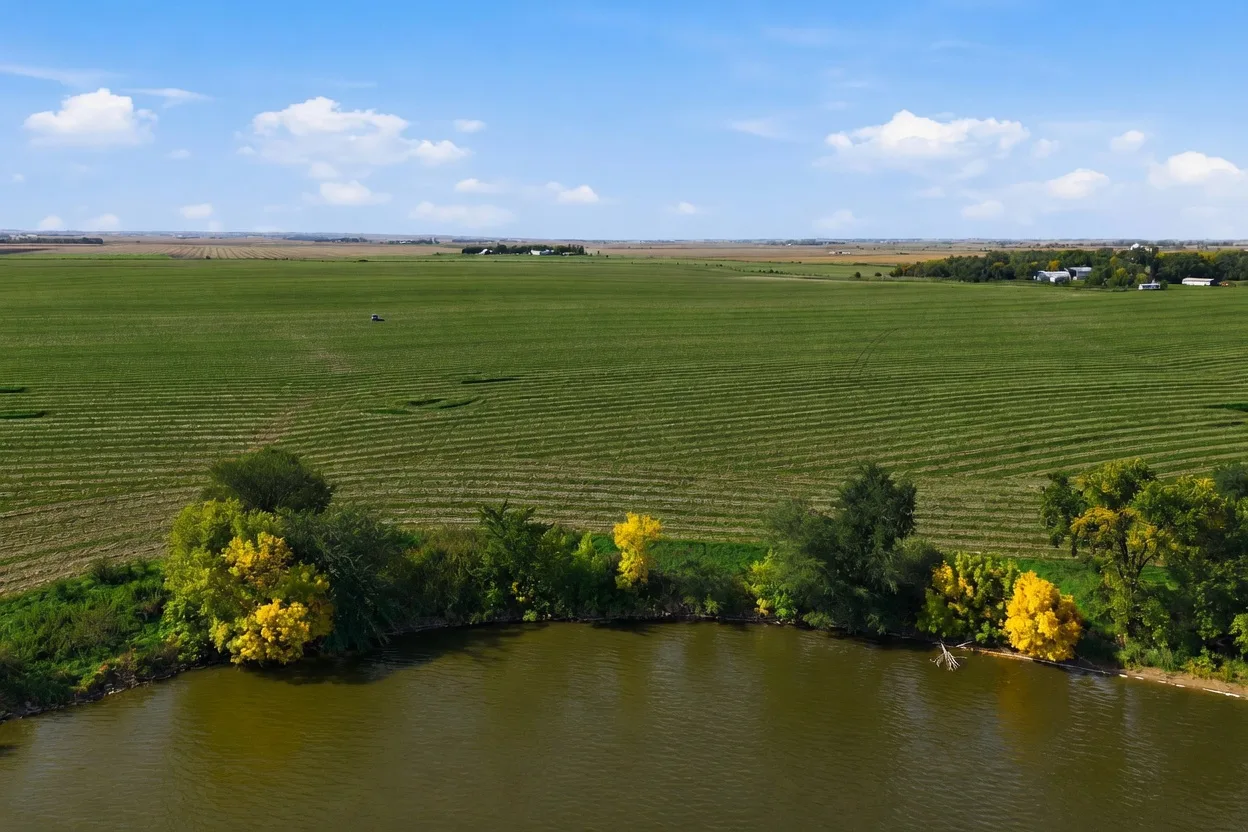
- Flat, walk-out, mowed, no improvements
Utilities
What the lot brings, what you add
Rural lots answer the utility question differently than city lots. Here is the rundown for this parcel.
Water: rural water membership
The parcel carries a Rural Water Membership, so the water line question is largely settled. Confirm connection fees and service details with the rural water district before you finalize plans.
Septic: plan and approve
There is no sewer on the parcel. A private septic system will need a site plan and Turner County approval, so build the septic design into your early schedule and budget.
Power: bring service in
There is no natural gas line on the lot, so plan on propane or electric for heat and appliances. Electric service is brought in separately; ask the local provider about service line and connection costs.
Access: HOA-maintained drive
The lot fronts a privately maintained gravel road, and the Bright Shores HOA covers road maintenance with its $100 per month assessment. Your driveway connection is the piece you plan for.
The County
Turner County holds the answers
The lot is zoned Agricultural (AG) with architectural guidelines, and one-building eligibility is conveyed with purchase. Size, placement, and outbuildings follow county rules, so the permit path runs through Turner County Planning and Zoning.
- Review the current AG architectural guidelines before committing to a floor plan.
- Shoreline rules follow Game, Fish and Parks; check current boating and dock regulations.
- Read the HOA covenants the same way you would any deed restrictions.
For property tax questions, the Turner County Director of Equalization is at 400 S Main St, Parker, SD 57053, 605-297-3424.
A practical sequence
- 1
Read the survey, the recorded plat, and the AG architectural guidelines for the parcel.
- 2
Confirm zoning, setbacks, and the one-building eligibility with the Turner County Planning and Zoning office.
- 3
Design the septic and water plan and submit it with the county.
- 4
Choose the home plan and builder, and line up a power and propane or electric plan.
- 5
Plan the driveway, grading, and walk-out access to the shoreline.
- 6
Pull the building permit, schedule the groundbreaking, and build.
Why this lot keeps it manageable
- AG zoning means the countryside stays open and lots stay large.
- One-building eligibility is conveyed with purchase, so the starting point is defined.
- The plat is plotted and recorded, which removes a layer of uncertainty.
- The lot is not in a flood plain, which simplifies building and insurance planning.
Where Jennifer fits in
Jennifer Krosch's background in construction, electrical, and workplace safety, plus her time with the City of Sioux Falls, gives her a practical eye for what a parcel can support. She is happy to connect you with local contractors, surveyors, and septic installers who know this area.
Journal · Building
Building on an Agricultural Lot in Turner County
What AG zoning really means for a lake lot and how one-building eligibility works.
Read the post
Journal · Buyer Guide
Lakefront Lot, Checklist in Hand
The seven-point checklist Jennifer walks buyers through before building.
Read the post
Walk the lot, then talk through the plan
Jennifer Krosch can show you the corners, the shoreline, and the neighbors' building styles, then connect you with the county offices and local pros who make it happen.
All details above come from the listing packet, the survey, and county public records. Verify zoning, permits, and costs with the county before purchase.